


Landed homes in Singapore are loved for their space, privacy, and the feeling of “this is home.” But that same space can quietly become a problem as parents age: stairs turn into daily obstacles, small level changes become tripping hazards, and bathrooms become higher-risk zones. If your goal is to make a landed home elderly-friendly in Singapore, the best approach is to plan upgrades that reduce falls, improve reach and movement, and make everyday routines possible on one level.
This guide breaks down 7 practical, renovation-friendly improvements you can do in phases—starting with the changes that improve safety immediately, and ending with the bigger layout moves that help seniors stay independent for longer.
Start by aiming for a life that doesn’t require stairs every day
If you want to make a landed home elderly-friendly in Singapore, the biggest win is simple: try to make everyday life work on the ground floor. Even when your parents can still handle stairs, the constant up-and-down gets tiring fast, and one slip can turn a “manageable” home into a stressful one overnight.
In practice, that means converting a ground-floor space into a proper bedroom, or at least making it sleep-ready so you can switch over easily later. Keep it close to a bathroom if you can, because night-time toilet trips are a common moment for stumbles, especially when someone’s half-asleep and the route isn’t well-lit.
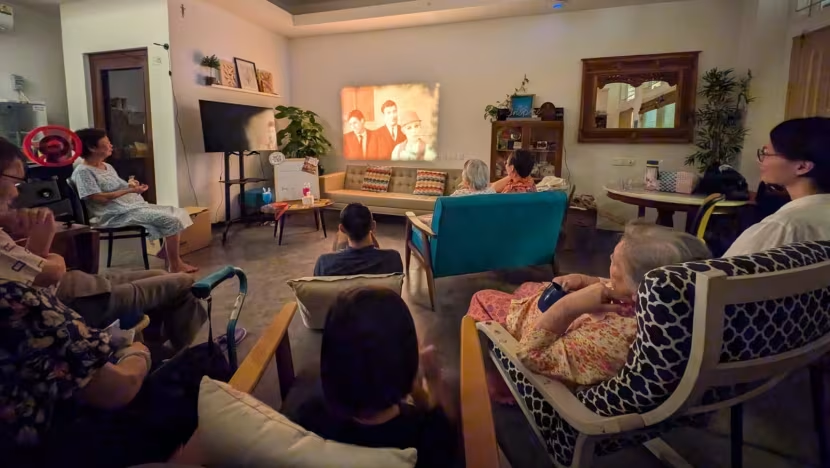
And if the kitchen is far, set up a small downstairs essentials corner. A simple spot for water, basic snacks, and medication reduces unnecessary walking and helps make the landed home feel more senior-friendly day to day.
1) Get the ground floor “sleep-ready” with a designer (so stairs aren’t a daily job)
A lot of landed homes were laid out with a simple idea: entertaining and family life happens downstairs, bedrooms stay upstairs. Totally fine when everyone’s mobile but for seniors, it basically turns the staircase into something they have to use multiple times a day.
If there’s no lift, that’s where things get tricky. It’s not just tiring; it’s one of those risks that creeps up quietly over time.
What a good interior designer can do here is spot the easiest way to make the ground floor sleep ready maybe converting a study, guest room, or TV room into a proper bedroom (or at least a space that can become one later without major drama). The “expert” part isn’t just placing a bed downstairs; it’s planning the routine around it.
Two practical checks that matter a lot:
- Bathroom distance: you want the downstairs sleeping space reasonably close to a toilet, especially for night trips.
- Essentials nearby: if the kitchen is far, a small pantry corner for water, meds, and simple snacks saves unnecessary walking (and reduces those rushed, distracted trips).
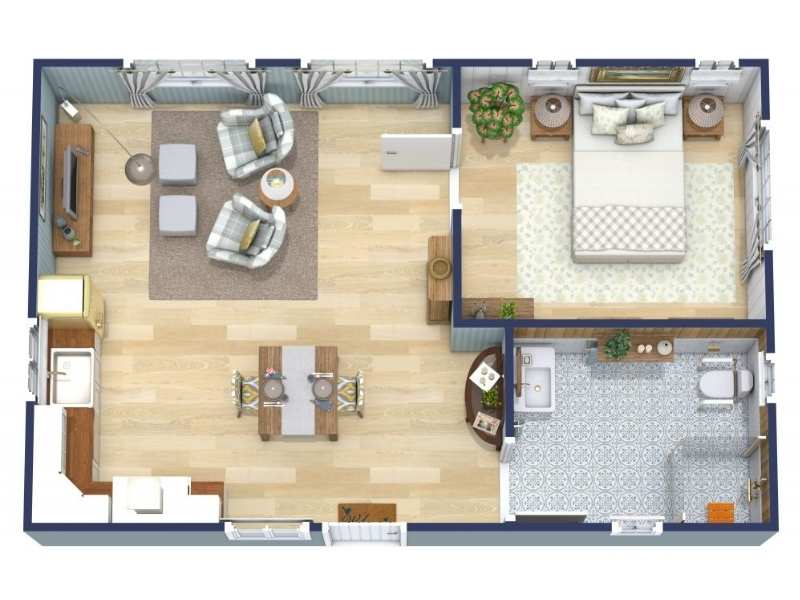
Done right, this single change cuts stair use massively—and that’s usually the biggest quality-of-life upgrade for ageing in place.
2) Add ramps wherever there’s even a small “step up / step down”
In landed homes, it’s often the small level changes that catch seniors off guard one step at the front door, a raised deck, a drop to the backyard, or a slight change in floor height between areas. When balance and reaction time aren’t what they used to be, these become classic trip points.
Getting a contractor to install ramps on the routes your parents use most is one of the most practical upgrades you can do. It makes walking safer immediately, and it also future-proofs the home. If a walker becomes necessary, or if someone needs a wheelchair temporarily (post-surgery, injury, recovery), step-free access stops the house from becoming a constant barrier.
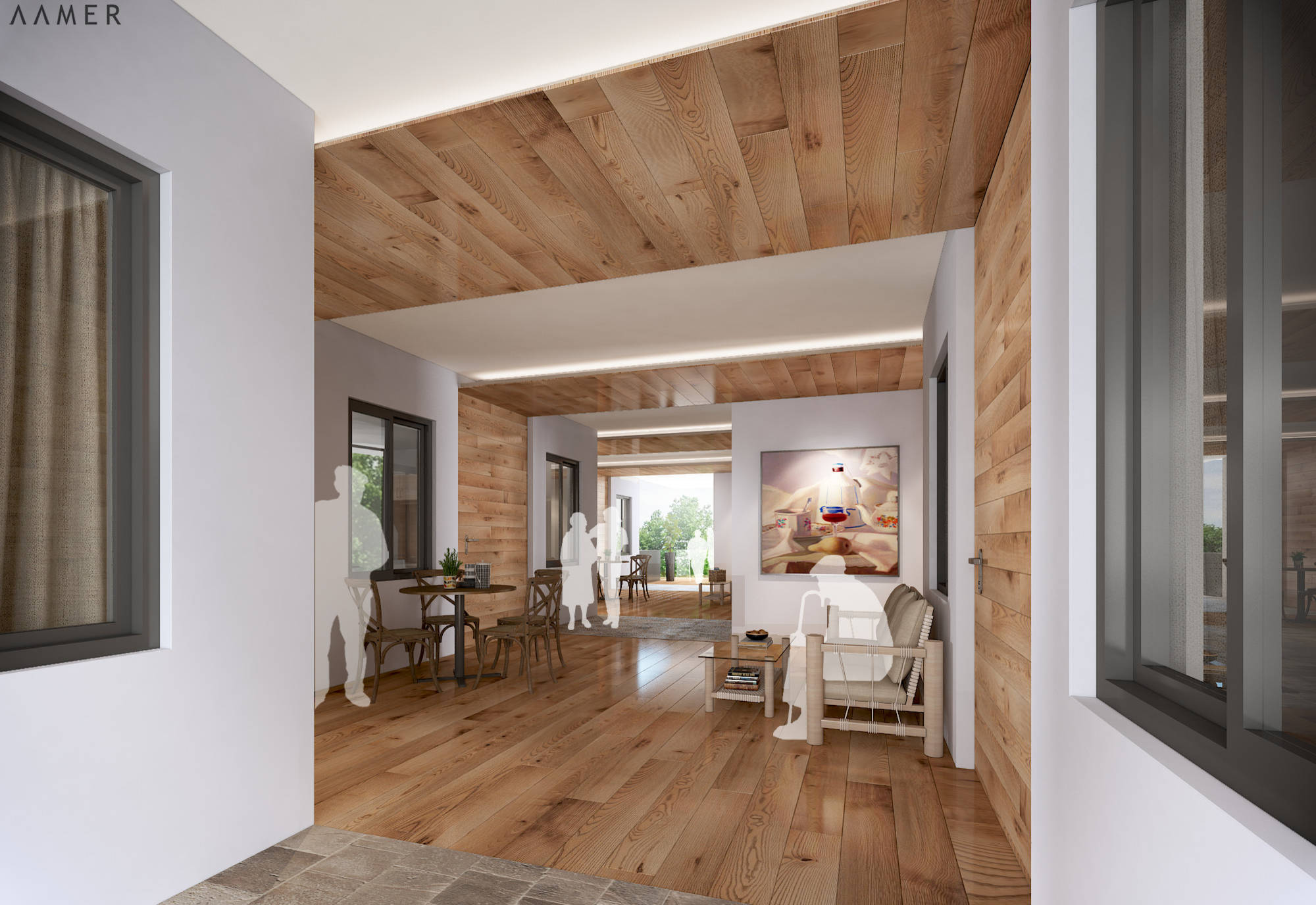
Bonus: ramps make everyday life easier in general moving groceries, bringing in deliveries, rolling luggage, or shifting furniture becomes less of a wrestling match.
3) Widen the “pinch points” so walkers and wheelchairs don’t feel like a fight
This one can feel a bit painful because, yes, widening corridors or doors may mean giving up a little wall space or storage. But narrow walkways are exactly where seniors start bumping into corners, clipping doorframes with walkers, or getting stuck trying to turn especially when they’re moving slowly or need someone beside them for support.
The good news is you usually don’t need to widen everything. Focus on the routes that matter most: bedroom → bathroom (especially for night trips), living area → bathroom, and entry → main living zone.
As a practical guide, many people aim for about 90 cm for hallways so a wheelchair or walker can pass comfortably without scraping. If you want it to feel less tight especially for turning, passing furniture, or having a caregiver walk alongside some homeowners go wider, around 100 to 120 cm where possible. For doorways, about 80 to 90 cm tends to work well for mobility aids.
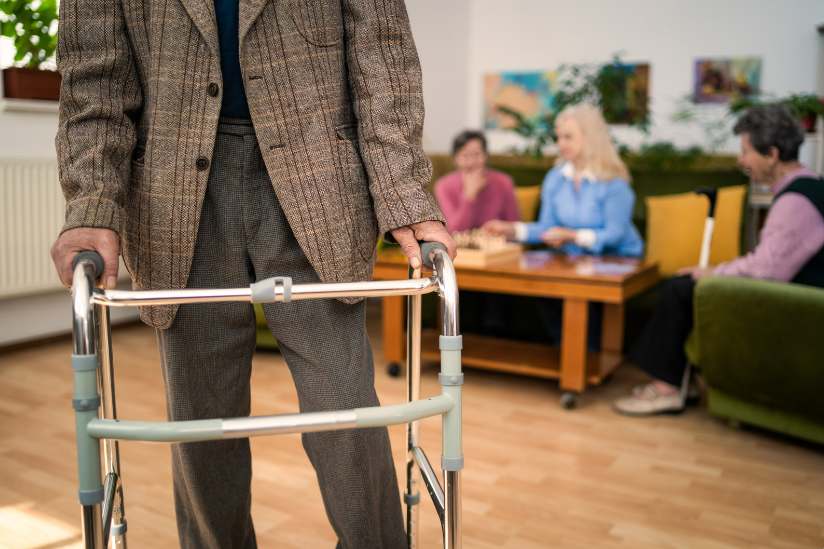
If you’re renovating anyway, this is one of those upgrades guests won’t notice but your parents will feel it every single day.
4) If stairs are unavoidable, make them way safer (without turning the place into a hospital)
A chair lift is the “dream” fix if the layout allows it but it’s pricey, and some staircases just don’t cooperate. If a lift isn’t realistic, the next best thing is making the stairs easier to use every single time, especially on the way down (that’s usually where falls happen).
Start with handrails. Not the shiny, nice-looking kind, those can be slippery and useless when grip strength isn’t great. What you want is a rail that feels secure in the hand: rounded, textured, and non-slip (rubber-wrapped or ridged/padded finishes tend to work better). A comfortable grip size matters too; for many adults, a handrail diameter around 3.2 to 5.1 cm is easier to hold.
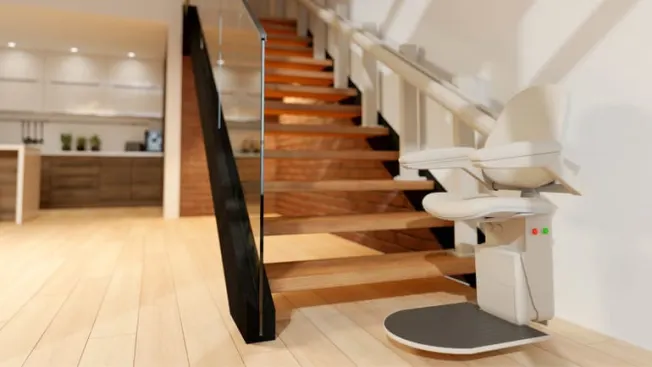
If possible, have handrails on both sides, and try to keep them continuous. Breaks and gaps are where people lose support mid-step, which is exactly when things go wrong.
Next is visibility. Step edges can blur together as eyesight changes, and shadows can make stairs look flatter than they are. Adding a high-contrast strip (even coloured tape works as a quick improvement) on each step edge makes the staircase much easier to “read,” which helps confidence and reduces missteps.
The goal here isn’t perfection it’s making stairs predictable, grippy, and visually clear, so using them doesn’t feel like a gamble.
5) Treat the bathroom like the “main safety project” (because that’s where slips happen)
If you’re only going to spend real effort on one area, make it the bathroom. It’s wet, space is tight, and there’s a lot of turning, stepping, and sitting/standing, basically the perfect setup for a fall if things aren’t senior-friendly.
Start with the obvious basics: grab bars in the right places and non-slip flooring. After that, look at the toilet. Many seniors find a raised toilet seat much easier because it reduces how far they need to lower themselves, and standing back up becomes less taxing on knees and hips. If they need extra stability, removable armrests can help too (and you don’t necessarily need a major renovation for that).
For the shower, think in terms of “can this still be used safely on a low-energy day?” That usually means having enough space for a shower chair or stool. If you’re changing the shower enclosure, some homeowners prefer acrylic/plastic screens instead of glass, just to reduce the risk of shattering if someone falls into it.

At the sink/vanity, usability matters more than fancy carpentry. Keeping under-sink clearance helps if wheelchair access ever becomes relevant. And taps are a surprisingly big deal: lever faucets (or touchless ones) are much easier for arthritic hands or weaker grip strength than twist knobs.
Last detail, don’t overlook it: make sure the shower controls are reachable without stretching or leaning awkwardly. Reaching up while standing on a wet floor is one of those small movements that causes avoidable accidents.
6) Put switches and sockets where they’re actually easy to reach
This sounds minor, but it’s one of those “daily friction” things that adds up fast. When switches are too high or sockets are tucked into awkward corners, seniors end up doing risky little movements tiptoeing, bending deep, twisting at the waist especially when they’re already tired or moving in dim light.
The fix is simple during renovation: ask your ID or electrician to lower switches and reposition sockets so they match how your parents actually live. Think about practical spots like beside the bed, near the sofa, and anywhere they regularly charge a phone, use a fan, or plug in a lamp.
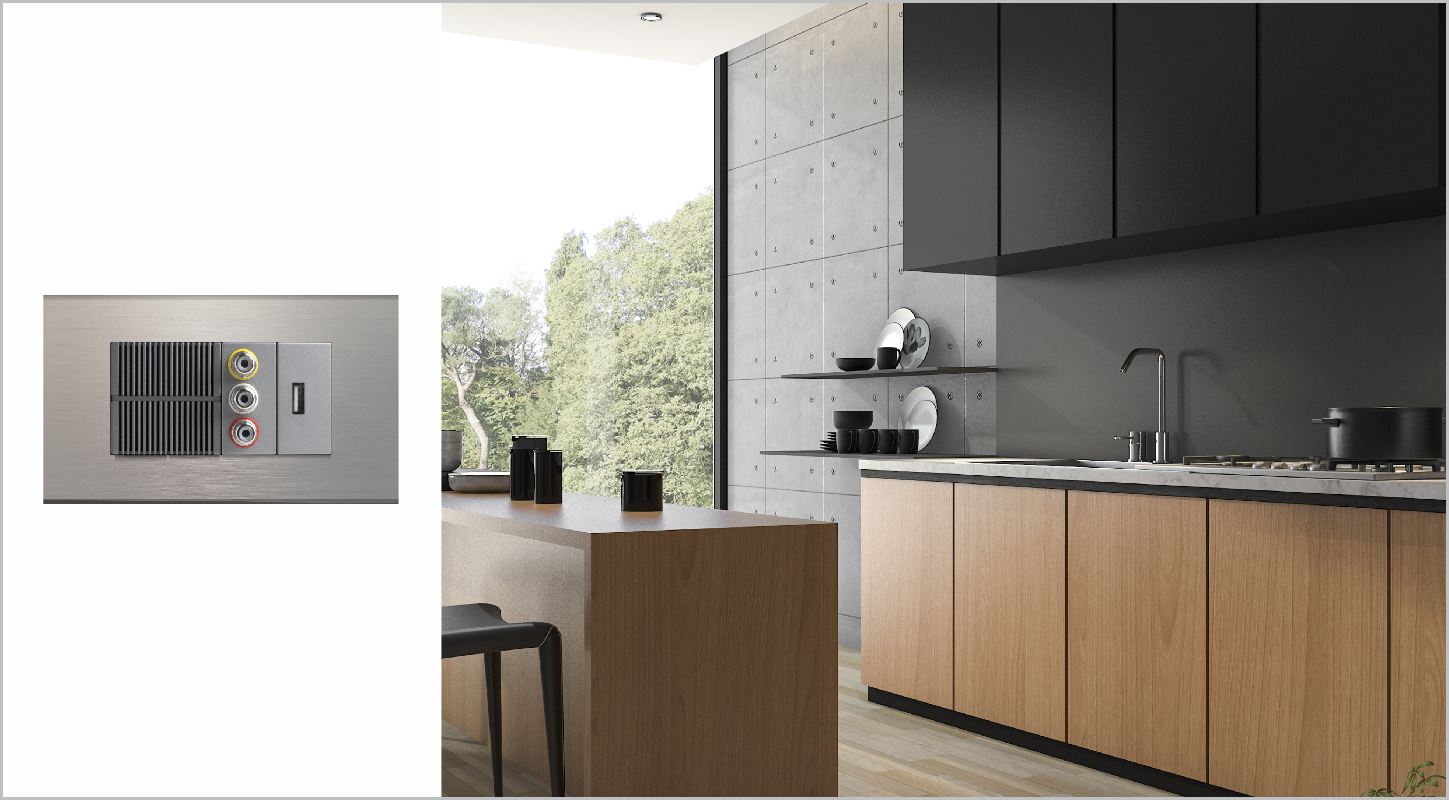
Done right, it reduces strain, cuts down on extension cords, and just makes the house feel easier to use for everyone (you included).
7) Make it easier to get help (and harder to be “out of sight” in a big house)
One downside of landed homes is that they’re… big. Seniors can easily end up in a corner room, behind a partition, or somewhere you won’t notice immediately if they need help. So beyond physical safety, it’s worth thinking about communication and visibility.
You don’t need a dramatic emergency button setup. Simple works. Something as basic as a bell within easy reach in key rooms can already help. If your household uses smart home devices, you can also explore alert-style options (including fall detection, depending on what system you’re on) for extra peace of mind.
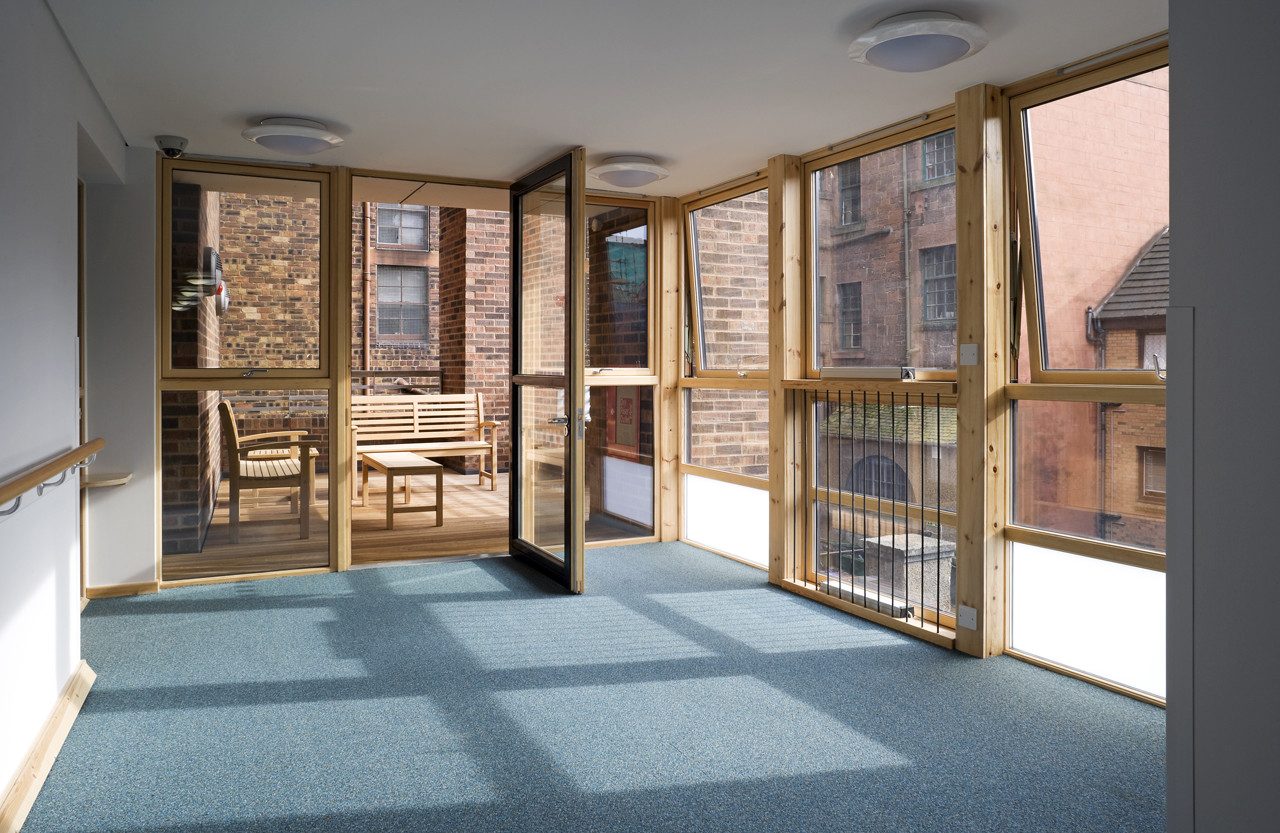
For visibility, you don’t have to tear down the whole layout either. The idea is to reduce blind spots. Talk to your designer about where full-height partitions can be swapped for half-height walls, or where frosted acrylic/glass panels can keep privacy while still letting you sense movement. Some homes also use angled mirrors in corridors or turning points, so there’s a line of sight without needing to walk all the way over.
Yes, a few of these changes can clash a bit with a “clean” design theme. But if it means seniors can stay safely in a home they love without being forced to right-size later, it’s usually a trade-off worth making.
Make a Landed Home Elderly-Friendly in Singapore Without Rushing Into a Move
These upgrades work best when they’re treated like a plan, not a panic fix. By reducing the everyday risk points in a landed home such as stairs, small level changes, tight walking routes, and wet bathrooms, you make daily routines safer and keep the home workable for longer.
If you want help translating these elderly-friendly ideas into a layout plan for your specific house, or you’re deciding whether renovating versus moving makes more sense, you can reach out to Property Launcher.
 Discover Singapore’s latest launches in CCR, RCR, OCR and EC—complete with live price lists, PSF ranges, floor plans and daily refreshes.
Join The Discussion